The Timeless Majesty of Kandy’s Temple of the Tooth
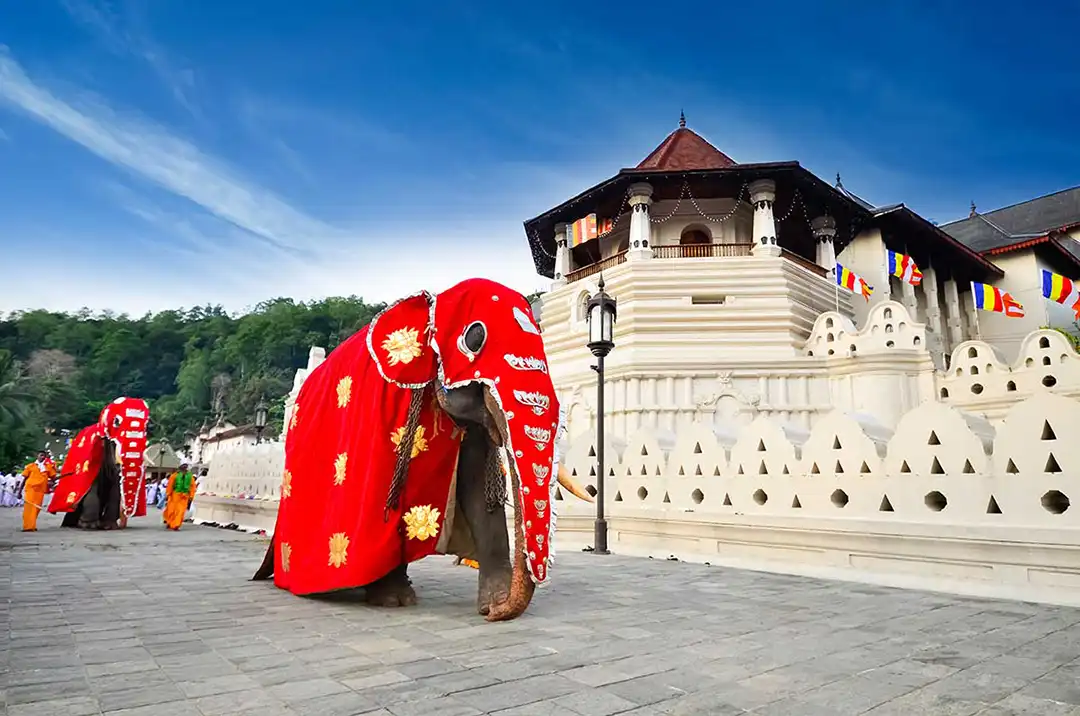
The city of Kandy, nestled among the emerald hills of Sri Lanka’s central province, is a destination steeped in history, spirituality, and breathtaking natural beauty. At the very heart of this UNESCO World Heritage Site lies the revered Sri Dalada Maligawa, globally known as the Temple of the Sacred Tooth Relic. This is not merely an architectural marvel; it is the living spiritual center of Sri Lankan Buddhism and a powerful symbol of the nation’s sovereignty and cultural identity.
A Relic and a Kingdom’s Destiny
The profound significance of the Temple is owed entirely to its most sacred treasure: a relic believed to be the left canine tooth of Gautama Buddha. The story of its arrival in Sri Lanka is the stuff of ancient legend. Sometime in the 4th century AD, the relic was said to have been smuggled from Kalinga in India by Princess Hemamala and Prince Danta, concealed within the Princess’s elaborate hair ornament. From that moment on, the sacred tooth became inextricably linked with the island’s rulers. The tradition held that whoever possessed the relic had the divine right to govern the country.
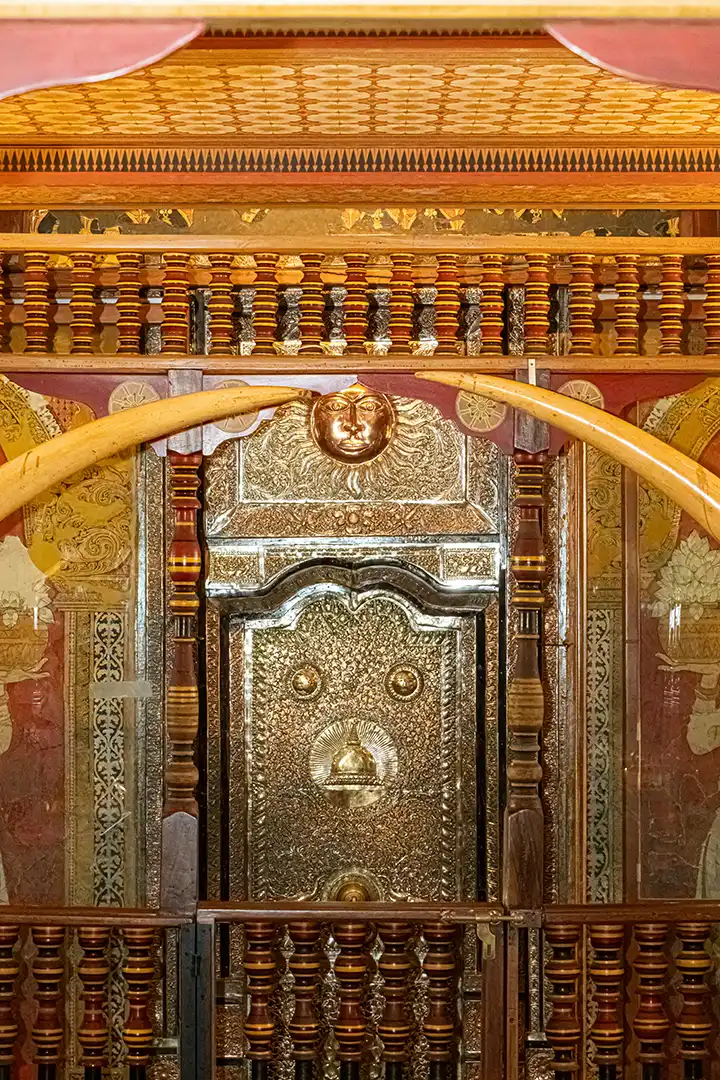
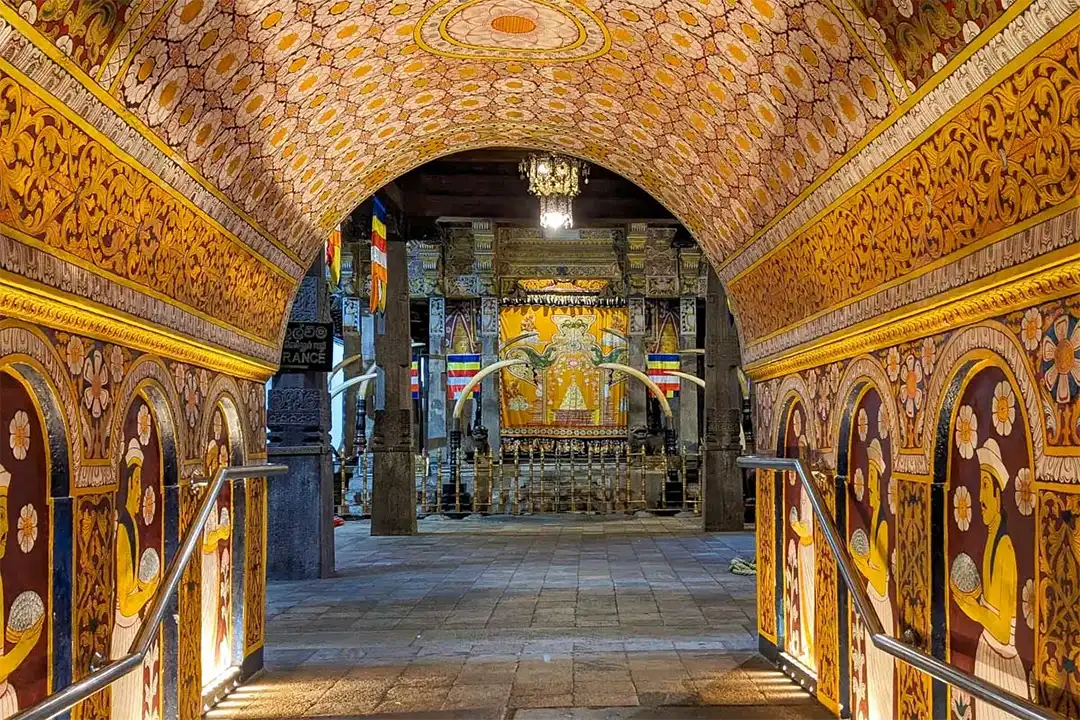
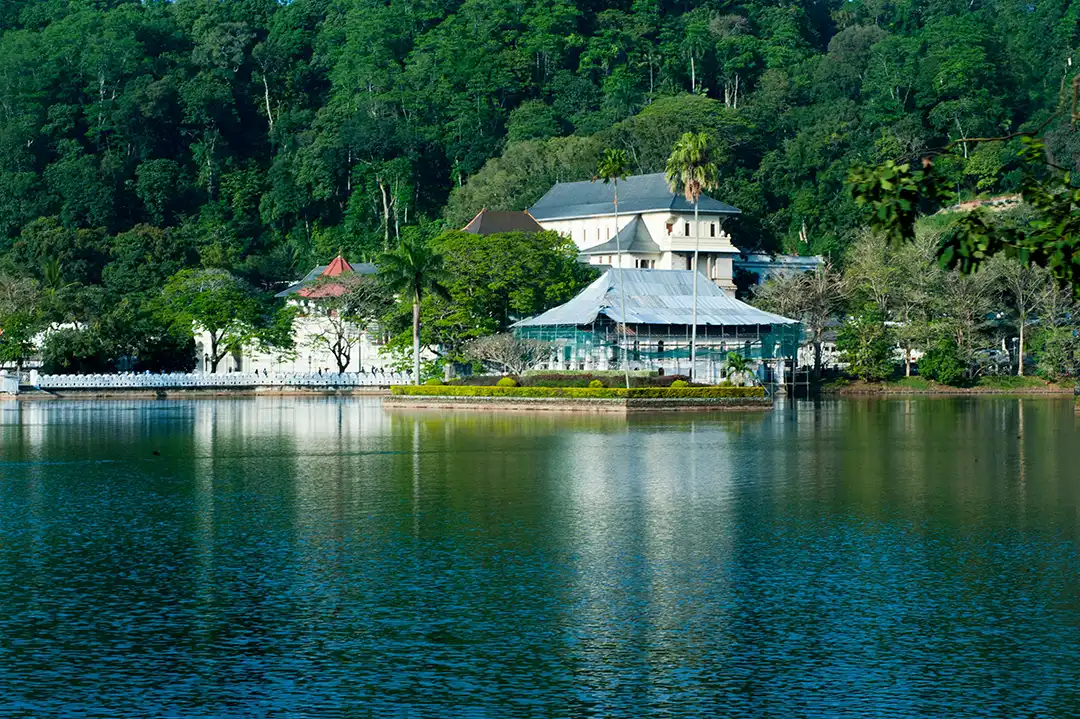
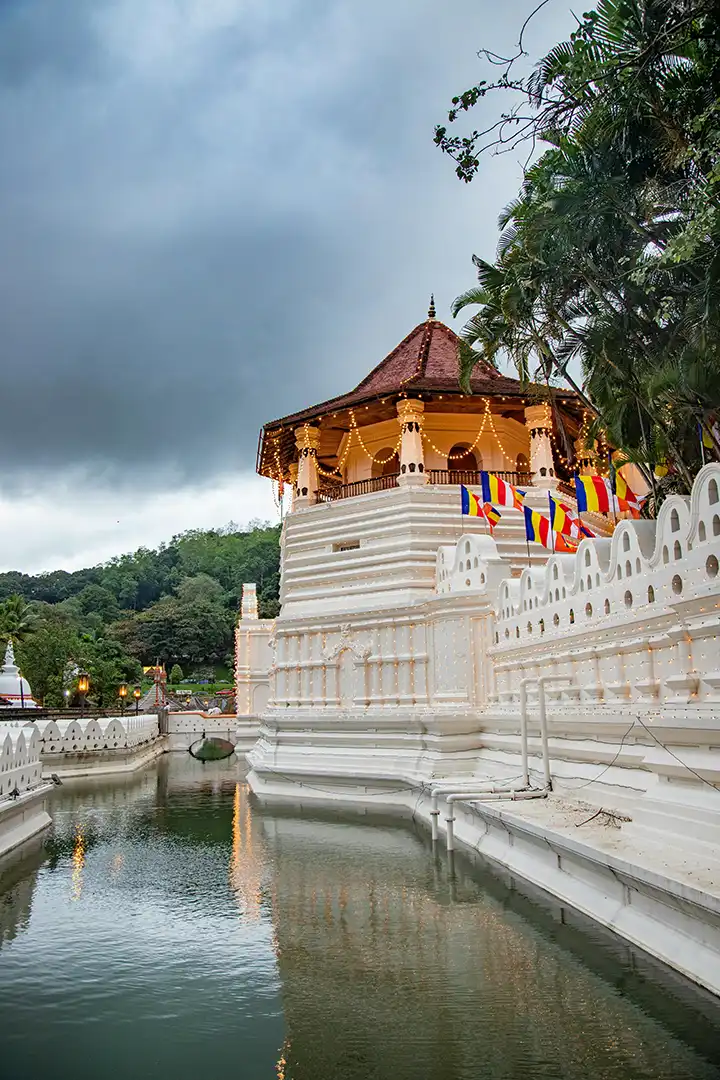
This belief led the relic to be protected and enshrined by kings in various ancient capitals until it finally found its permanent and most splendid home in Kandy, the last kingdom of Sri Lanka. The current structure, a beautiful example of Kandyan architecture adorned with intricate carvings, gold, and ivory, was predominantly built during the reigns of King Sri Veera Parakrama Narendrasinghe and later King Kirthi Sri Rajasinghe. It stands adjacent to the former Royal Palace complex, looking out over the tranquil Kandy Lake, an arrangement that perfectly captures the union of church and state in ancient Sri Lanka.
Witnessing the Sacred Rituals
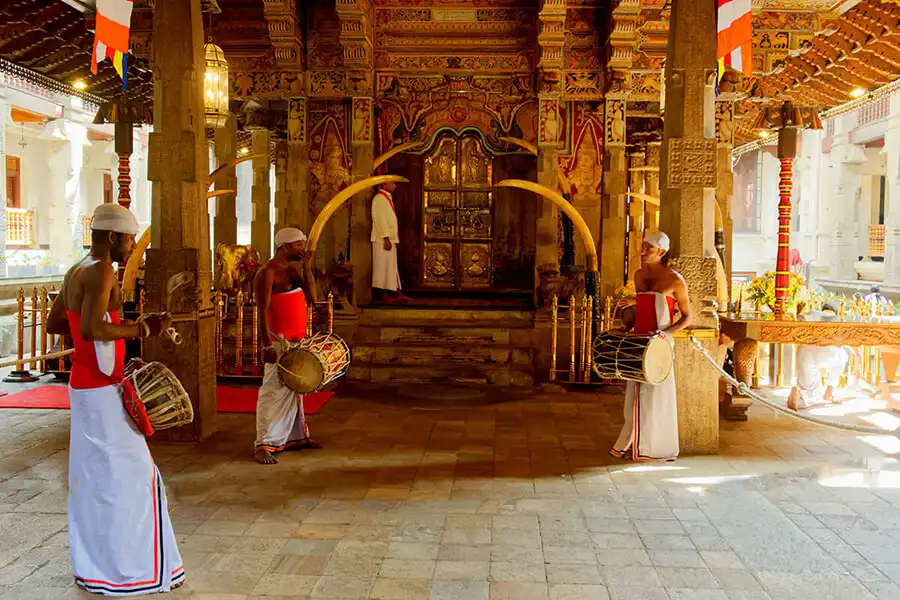
A visit to the Sri Dalada Maligawa is best timed to coincide with one of the three daily puja or ritual services: at dawn, at noon, and in the evening. These are the moments when the temple truly comes alive. The air fills with the hypnotic, rhythmic sound of traditional Hevisi drumming, accompanying the offerings of flowers, incense, and light. Devotees dressed modestly, often in pure white, queue patiently to offer flowers at the main shrine, creating an atmosphere of deep reverence and spirituality.
A particularly unique ritual is the Nanumura Mangallaya, a symbolic bathing of the Sacred Relic’s casket held every Wednesday. This ceremony uses an herbal preparation of scented water and fragrant flowers. The holy water is then distributed to those present, believed to possess healing properties and blessings.
Historic Exposures and Modern Visits
While the actual tooth relic remains securely protected within seven nested golden caskets and is rarely on public display, its presence is a palpable source of inspiration. However, a truly historic and rare opportunity is the special public exposition, such as the one planned for April 2025. Such events, occurring only once in many years, draw millions of pilgrims and visitors from around the globe for a once in a lifetime chance to venerate the sacred casket.
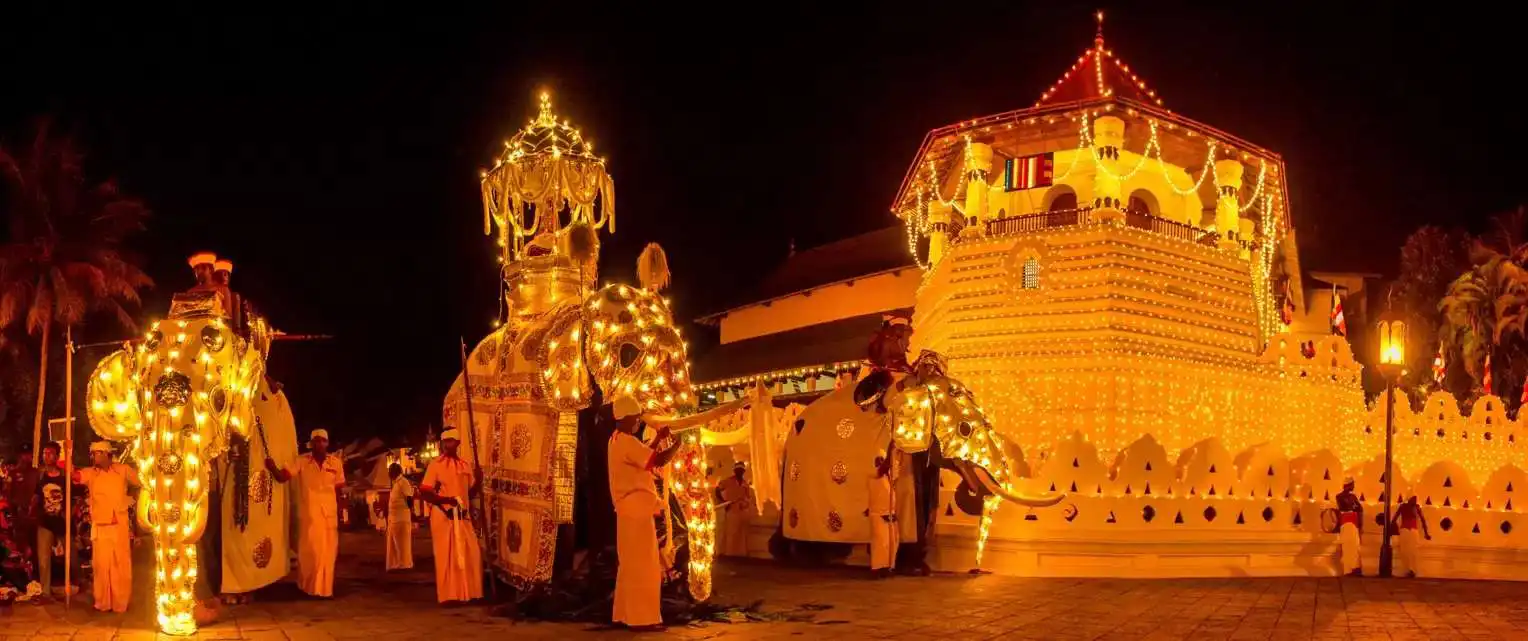
For the everyday visitor, exploring the entire temple complex is highly rewarding. Beyond the main shrine, one can visit the Audience Hall, the Raja Museum housing the remains of the magnificent tusker Raja who carried the relic’s casket during the Perahera, and the Sri Dalada Museum. Essential practical advice for all visitors includes dressing with respect by covering shoulders and knees, removing footwear before entering the complex, and being prepared to navigate the large crowds during the puja times. Foreigners are charged a nominal entrance fee that contributes to the upkeep of this invaluable heritage site.
The Temple of the Tooth is more than a historical landmark; it is a living, breathing testament to over two millennia of Buddhist faith and Sri Lankan tradition. It continues to inspire awe and devotion, drawing the faithful and the curious alike into its sacred embrace, and standing as a timeless monument to peace and spiritual enlightenment in the hill capital.