Galle Fort: A Timeless Jewel on Sri Lanka’s Coast
Imagine a place where the scent of cinnamon mingles with the salty sea air, where every cobblestone whispers a tale of ancient mariners and colonial power. That place is Galle Fort, a breathtaking UNESCO World Heritage site on the southwestern coast of Sri Lanka. Far from being a mere historical relic, this is a vibrant, living city, perfectly blending a storied past with a chic, contemporary pulse. A visit here is not just a walk through history; it is an immersion into a unique cultural fusion that remains as captivating today as it was centuries ago.
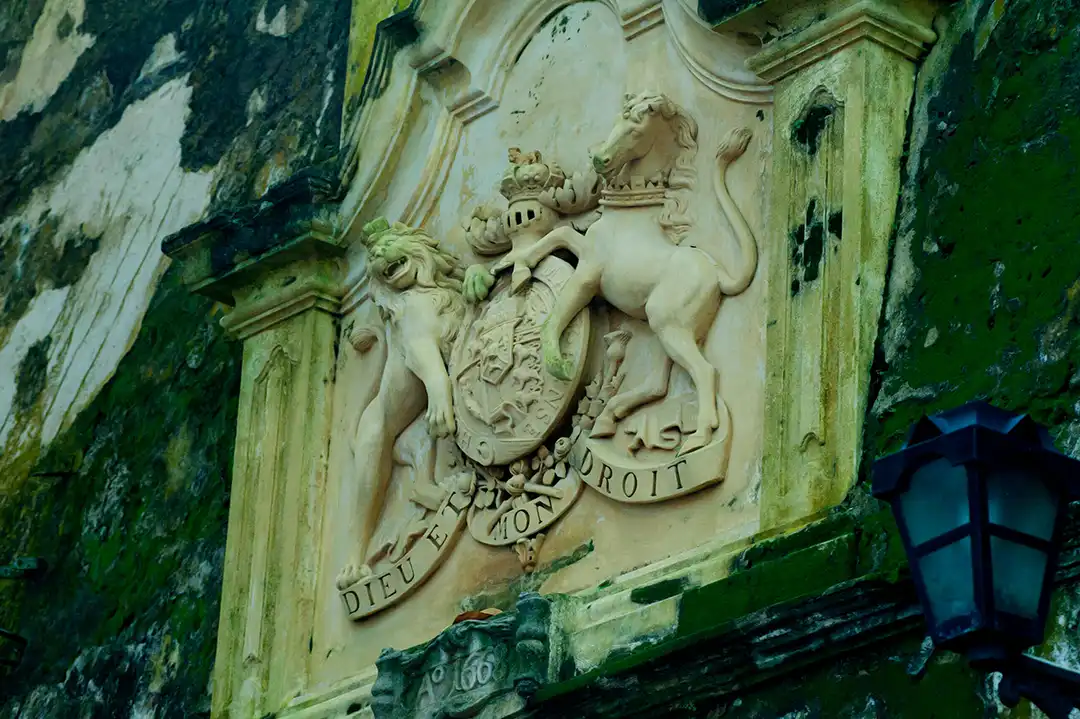
The story of Galle Fort begins long before the Europeans arrived. Mentioned in Ptolemy’s world map as a busy port, it was a vital stop on the ancient Maritime Silk Road, trading in spices, gems, and silk. The Portuguese, under Lourenço de Almeida, made their accidental landing in 1505, laying the foundation for the first fortifications. However, the formidable stone ramparts and the characteristic grid of streets we see today are primarily the legacy of the Dutch East India Company, which captured and extensively fortified the town in the mid 17th century. This Dutch influence is the fort’s architectural heart, showcasing a masterful fusion of European planning adapted ingeniously to the tropical South Asian climate. Look closely at the colonial era villas: their cool internal courtyards, thick coral and granite walls, and overhanging roofs were all local adaptations for shade and ventilation.
An Open Air Museum with a Modern Beat
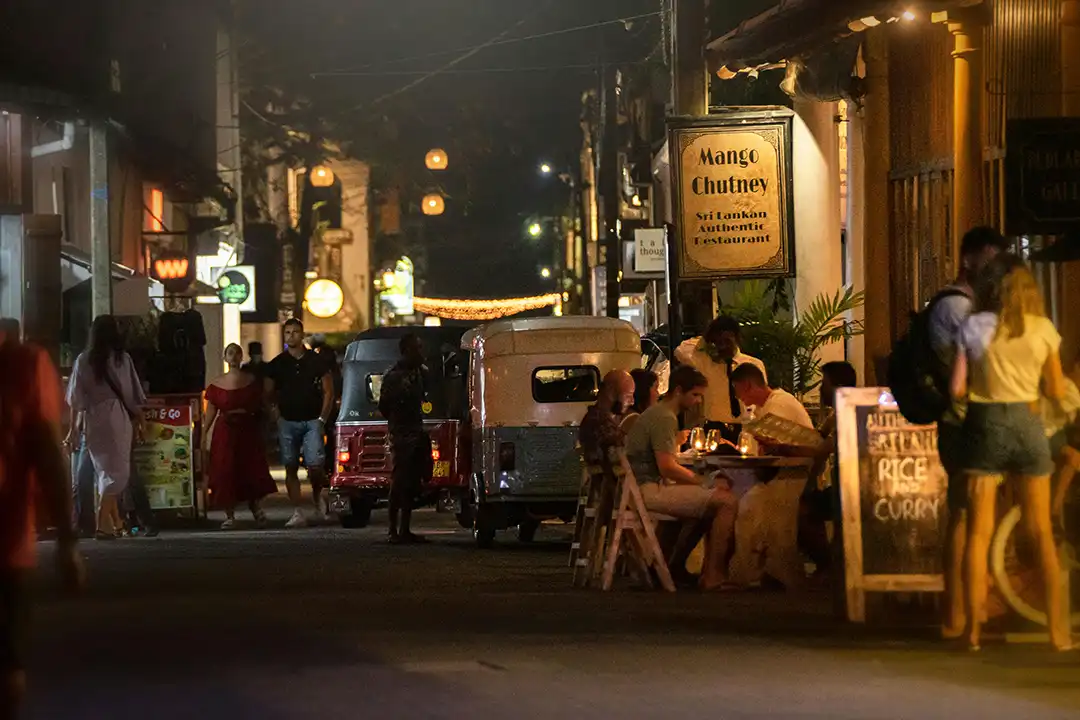
One of the most remarkable things about Galle Fort is that it is not a museum enclosed behind ropes. It is a thriving, diverse community. Walk its narrow streets and you will find an intoxicating mix of heritage buildings now housing everything from family run guesthouses to avant garde art galleries and stylish boutiques.
The transformation of the Old Dutch Hospital is a perfect example of this revival. Once a colonial medical facility, it has been beautifully restored into a trendy precinct for upscale dining and shopping, offering stunning ocean views. The streets, particularly Pedlar Street, are a treasure trove for shoppers. Here you will find exquisite Sri Lankan gemstones, locally produced clothing from ethically conscious brands, and the famous vintage posters of “Stick No Bills,” making it a hub for unique souvenirs and high quality crafts. This commercial energy ensures the old fort remains economically viable and culturally dynamic.
The Essential Fort Experience
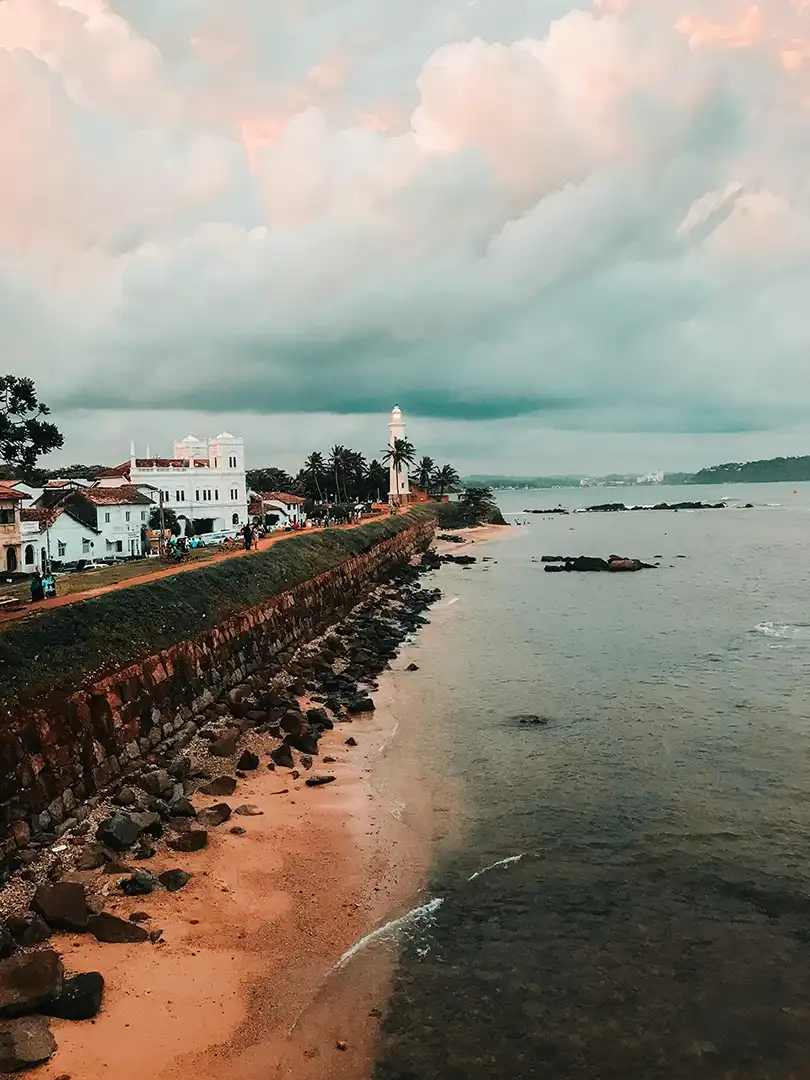
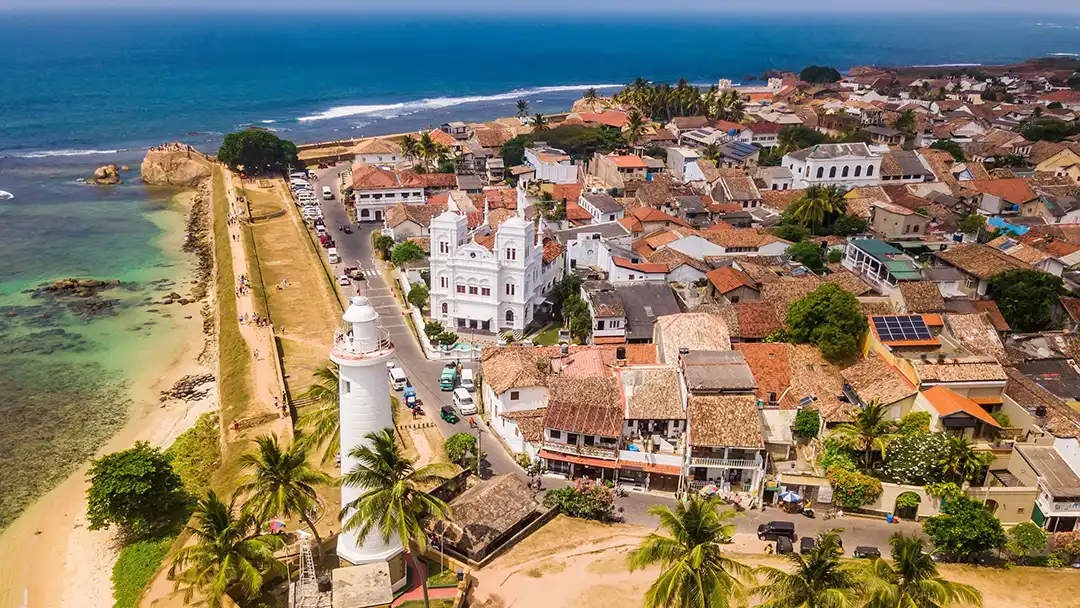
The quintessential Galle Fort experience is the walk along the massive stone ramparts. The walls, which successfully protected the town even from the devastating 2004 tsunami, offer a scenic 2 kilometre loop. It is best enjoyed at two specific times. Early morning brings a calm, golden light, perfect for photography, while the late afternoon and sunset are when the fort truly comes alive.
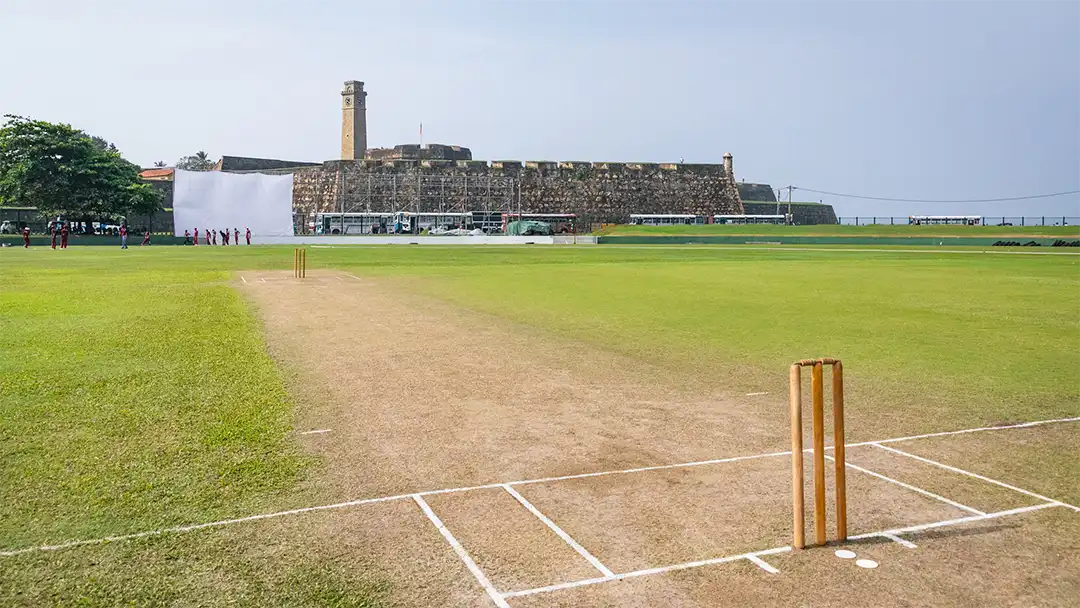
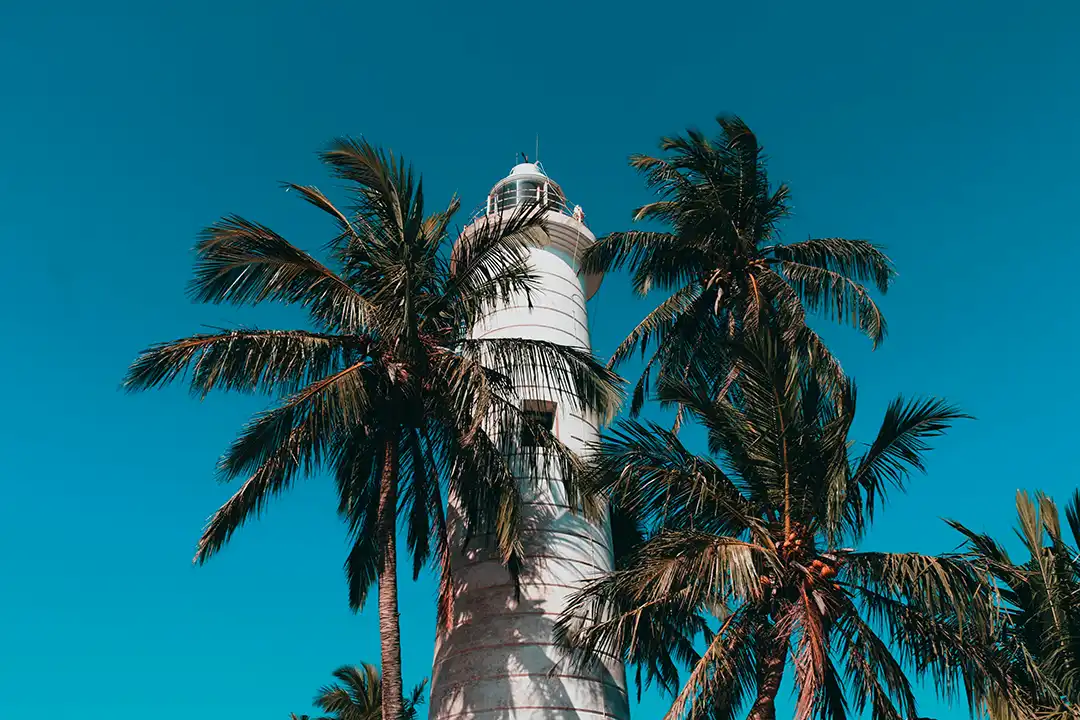
Join the crowds gathering at Flag Rock Bastion or Triton Bastion to watch the sun dip dramatically into the Indian Ocean. It is a daily ritual where locals and tourists alike mingle, creating a lively, communal atmosphere. As you stroll, you will pass iconic landmarks: the towering, brilliant white Galle Lighthouse, built in 1939, and the imposing Clock Tower, a British addition. Do not miss the historic churches like the Dutch Reformed Church (Groote Kerk) with its unique memorial floor slabs, and All Saints Anglican Church, a beautiful example of Victorian Gothic architecture, demonstrating the fort’s multi religious heritage.
Beyond the Walls and New Adventures
While the fort itself is endlessly fascinating, a modern visit to Galle often extends to the enriching experiences just outside its walls. Sri Lanka’s tourism industry continues to diversify, encouraging visitors to delve into local culture and nature. Today, travelers are increasingly seeking out hands on local experiences like authentic Sri Lankan cooking classes, which often begin with a trip to the local market before moving to a rural village.
Adventure seekers can also take guided bike tours through the picturesque paddy fields or embark on river safaris to explore the lush mangroves and cinnamon plantations in the region. For a truly unique activity, consider a workshop with a local artisan to learn the ancient craft of Kolam mask carving or take a guided tour to learn about the history and processing of Ceylon cinnamon, a commodity that first brought the world to Galle’s doorstep.
Galle Fort is much more than a historical footnote. It is a harmonious marriage of history and contemporary life, a living portrait of a time when East met West. Its perfectly preserved streets, vibrant modern scene, and surrounding natural beauty cement its status as an unmissable destination for the discerning traveler. It beckons you to step inside and become part of its continuing story.
Would you like to know more about the boutique hotels or dining options inside the fort?